Nurture / Nature
This exhibition brings together works by Southern California-based artists Cara Levine, Liz Nurenberg, Eric Trine and Vern Moen, and Hannah Kim Varamini, all of whom explore themes of care and interconnectedness – from the interpersonal, to the familial, to the communal, to the environmental. Each artist works with familiar, humble materials and locations, treating them with an observant eye and a careful hand that mirrors the sense of attention, empathy, and generosity imbuing the resulting objects and imagery.
Cara Levine’s labor-intensive objects merge techniques like weaving and carving with symbols such as chain links, knots and ladders – evoking support systems of attentive tenderness and interdependency. Liz Nurenberg’s practice involves creating sculptures that require bodily interaction and films of their usage, displaying the necessary collaboration, balance, and exchange needed to maintain healthy familial and communal relationships. In their collaboration, Eric Trine and Vern Moen explore the environment around the San Gabriel River in Long Beach. Using found objects and imagery collected from the site, they reveal the interconnected nature of communities and landscape, brought together with curiosity, observation and play. Finally, Hannah Kim Varamini’s sculptures and drawings model diverse forms of community, linking the personal to the familial, cultural and environmental in poignant, poetic ways informed by her choice of materials.
This exhibition was curated for the Green Art Gallery at Biola University, on view from September 16-November 22, 2024.
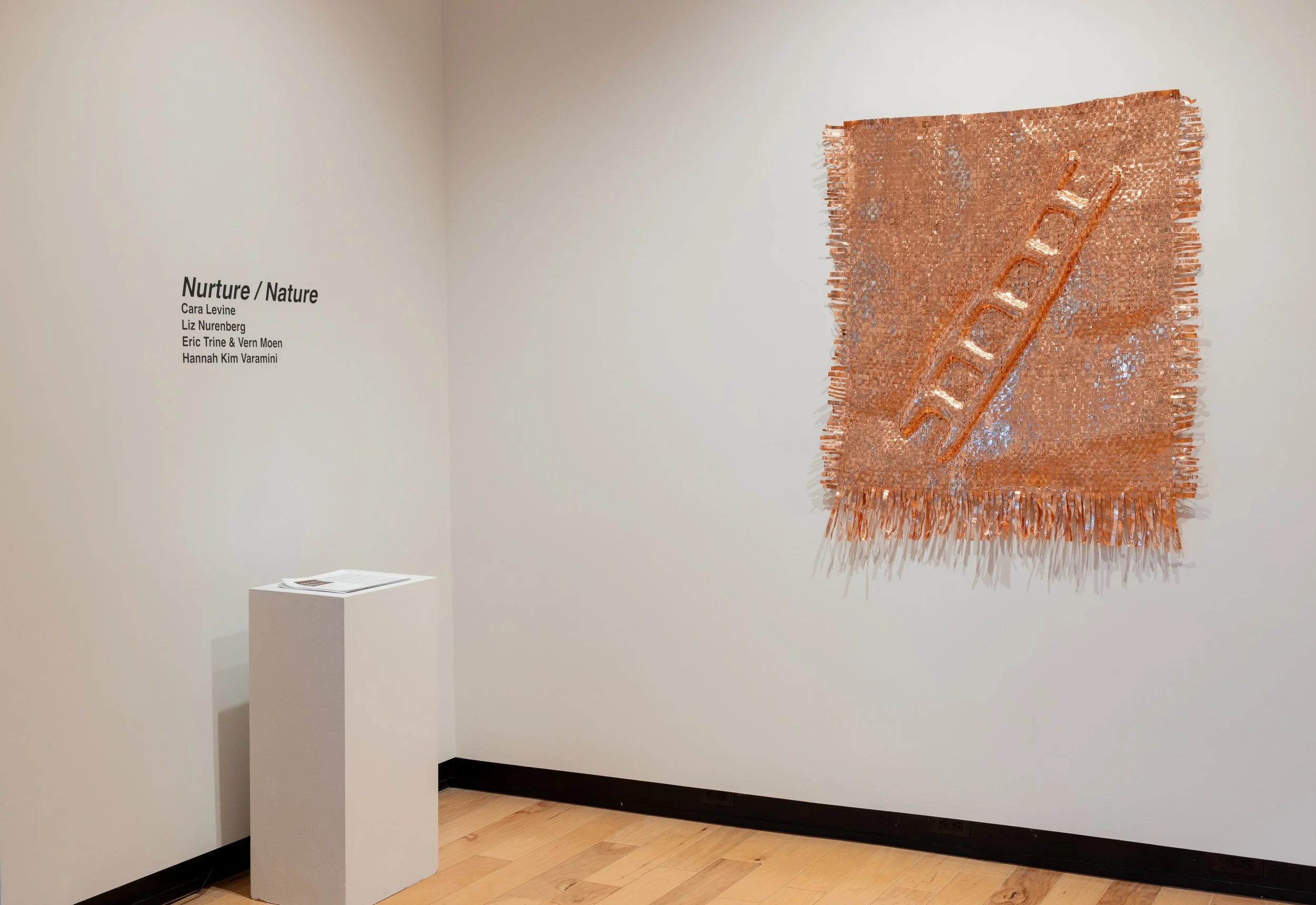
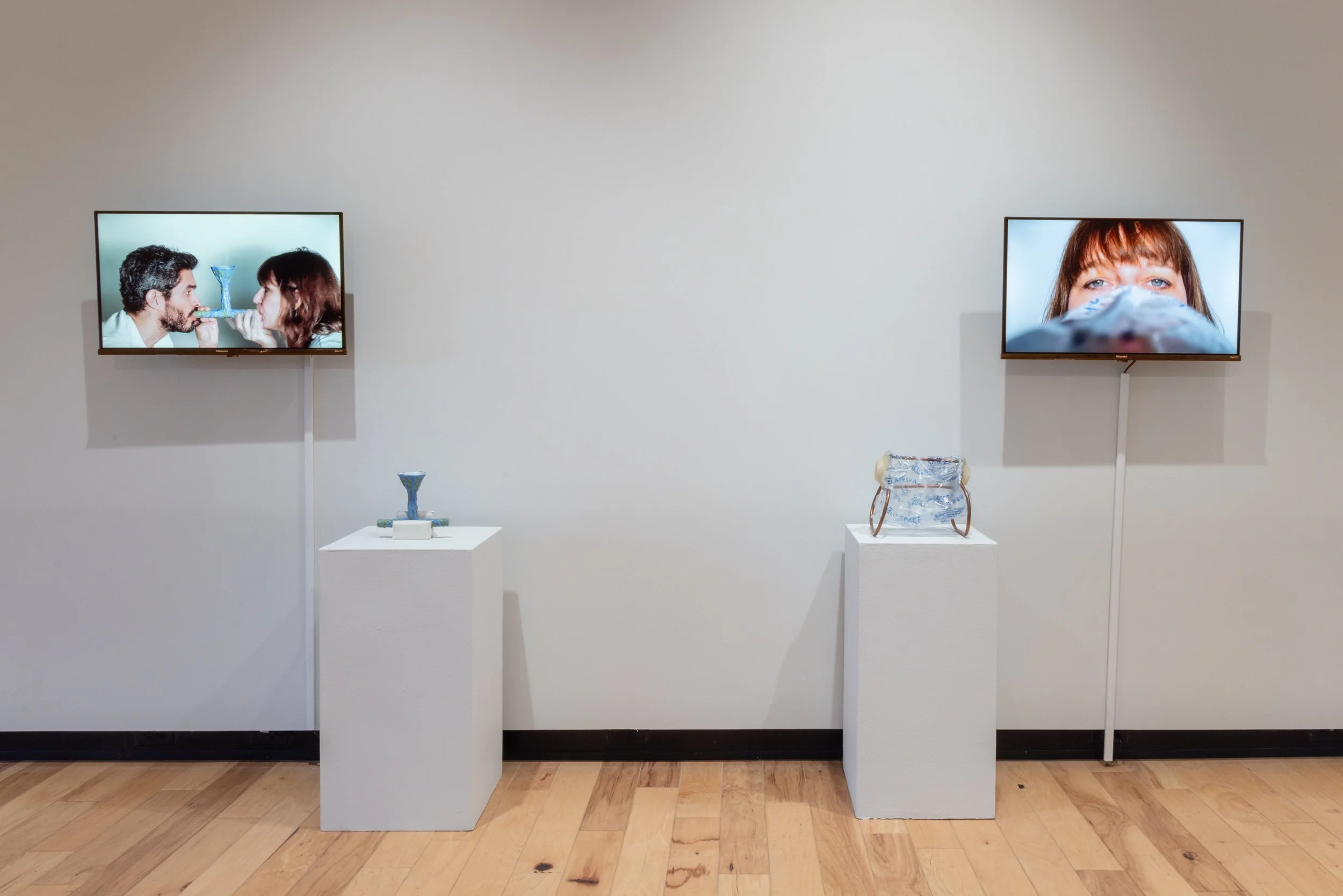
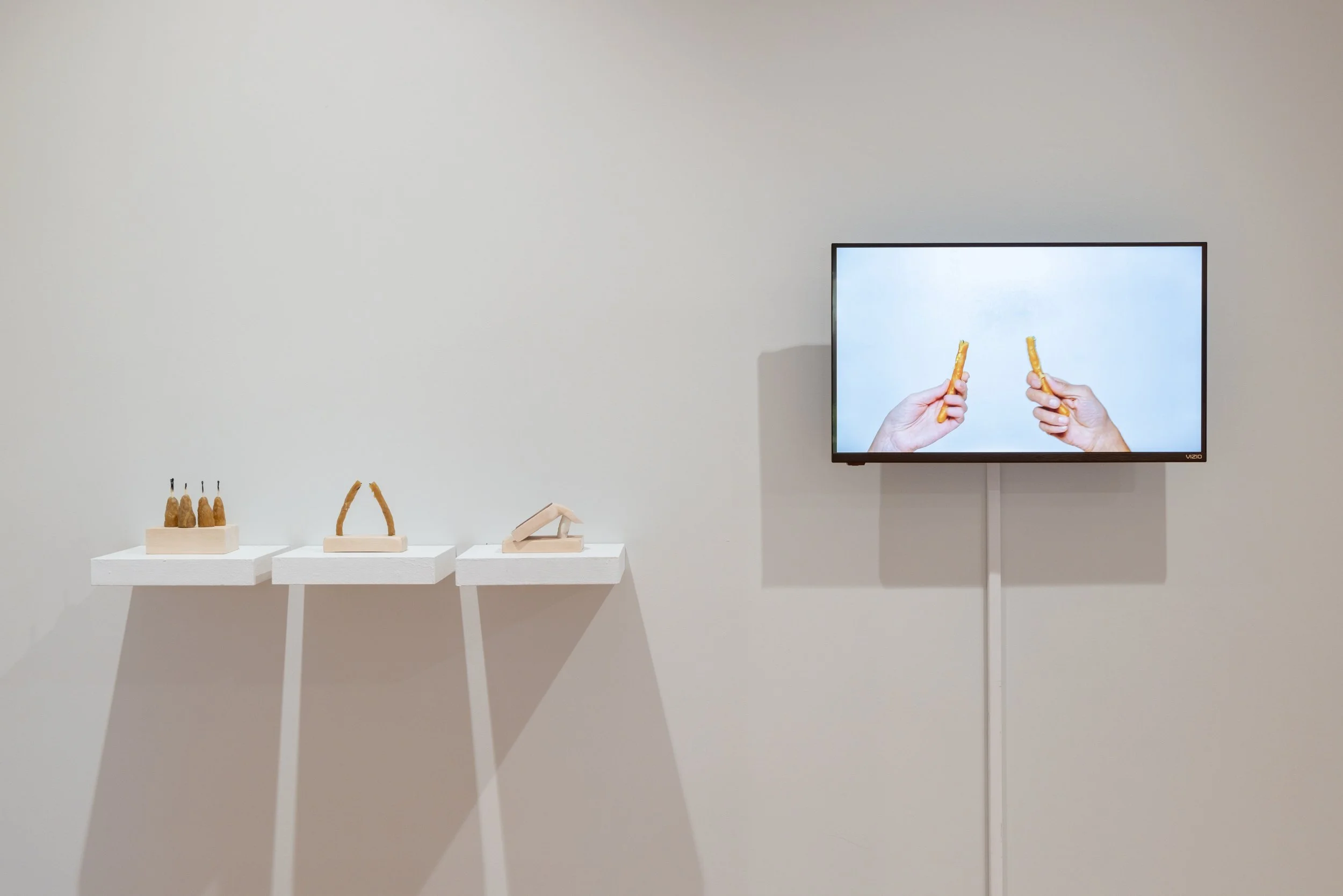
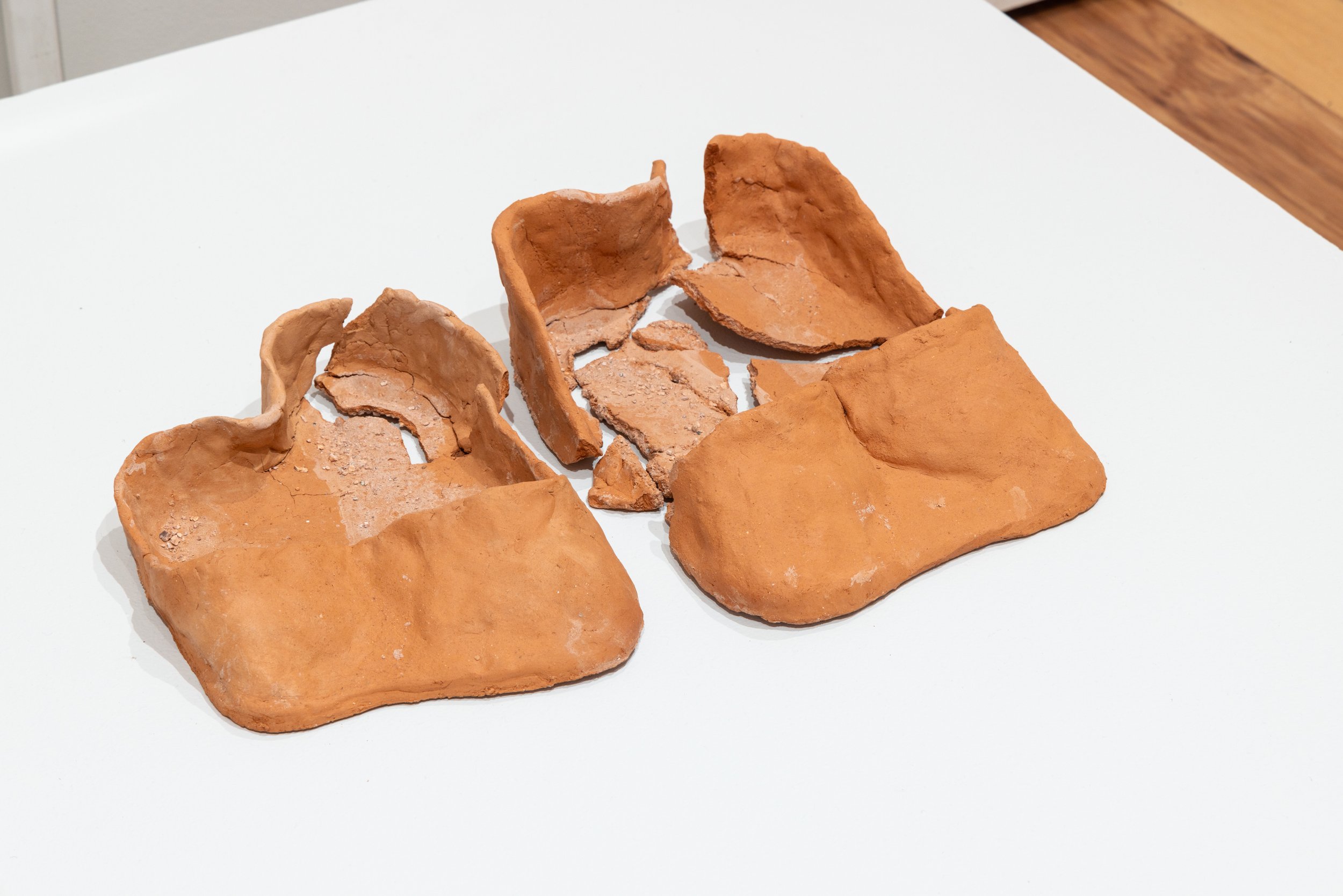
“Nature” and “nurture” are terms typically used together to pose a dichotomy, or even an antagonism, as questions of “nature vs. nurture” imply. By reversing the order in which these words are commonly heard, Nurture / Nature reframes the phrase from a biological or sociological debate and instead asks us to consider further meanings. How do we embody our roles as nurturers? Who or what needs to be cared for? How do we as humans stand in relation to and as part of the natural world?
This exhibition brings together works by Southern California-based artists Cara Levine, Liz Nurenberg, Eric Trine and Vern Moen, and Hannah Kim Varamini. Each of these artists’ practices explore themes of care and interconnectedness – from the interpersonal, to the familial, to the communal, to the environmental. All the artists work with familiar, humble materials and locations, treating them with an observant eye and a careful hand that mirrors the sense of attention, empathy, and generosity imbuing the resulting objects and imagery.
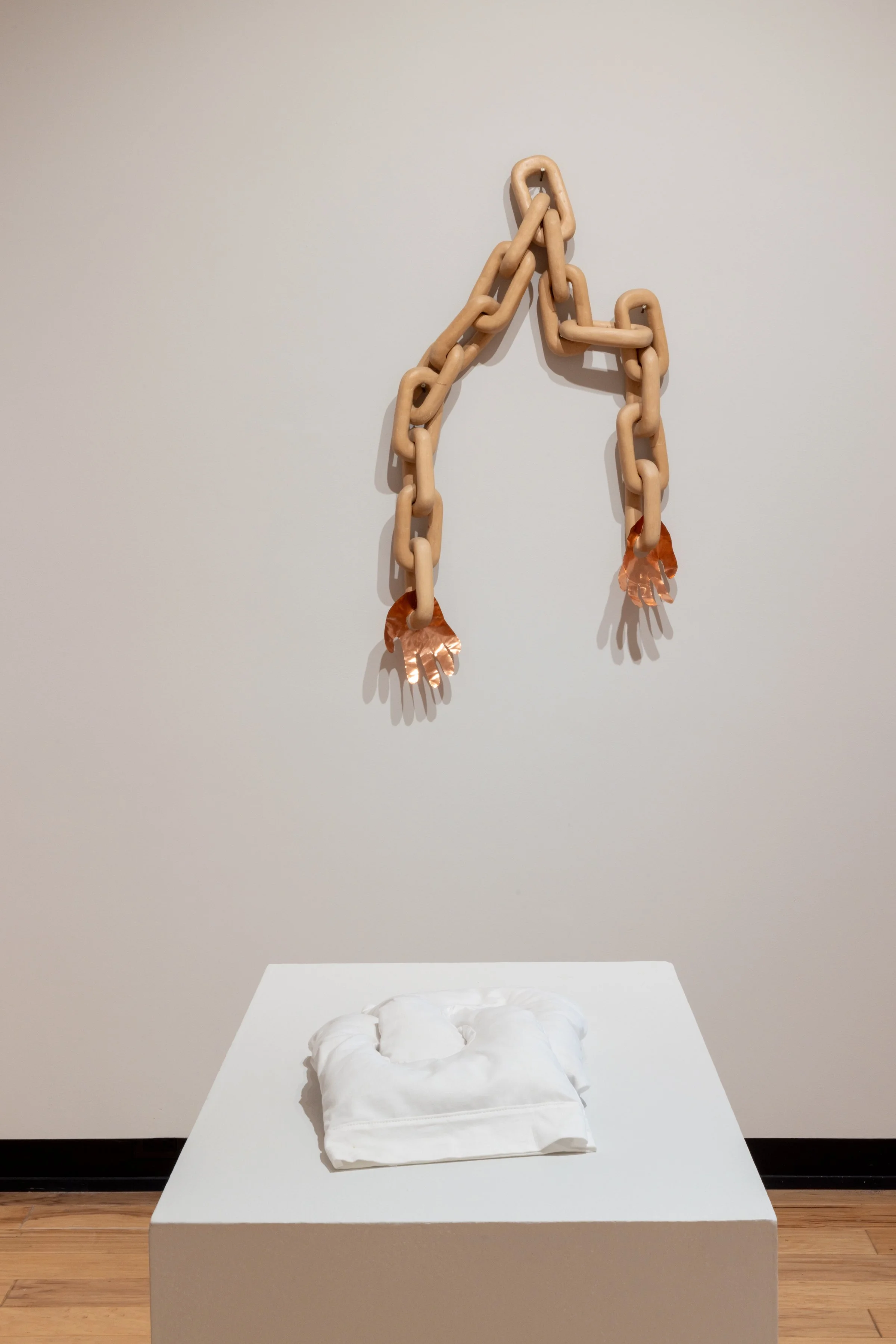
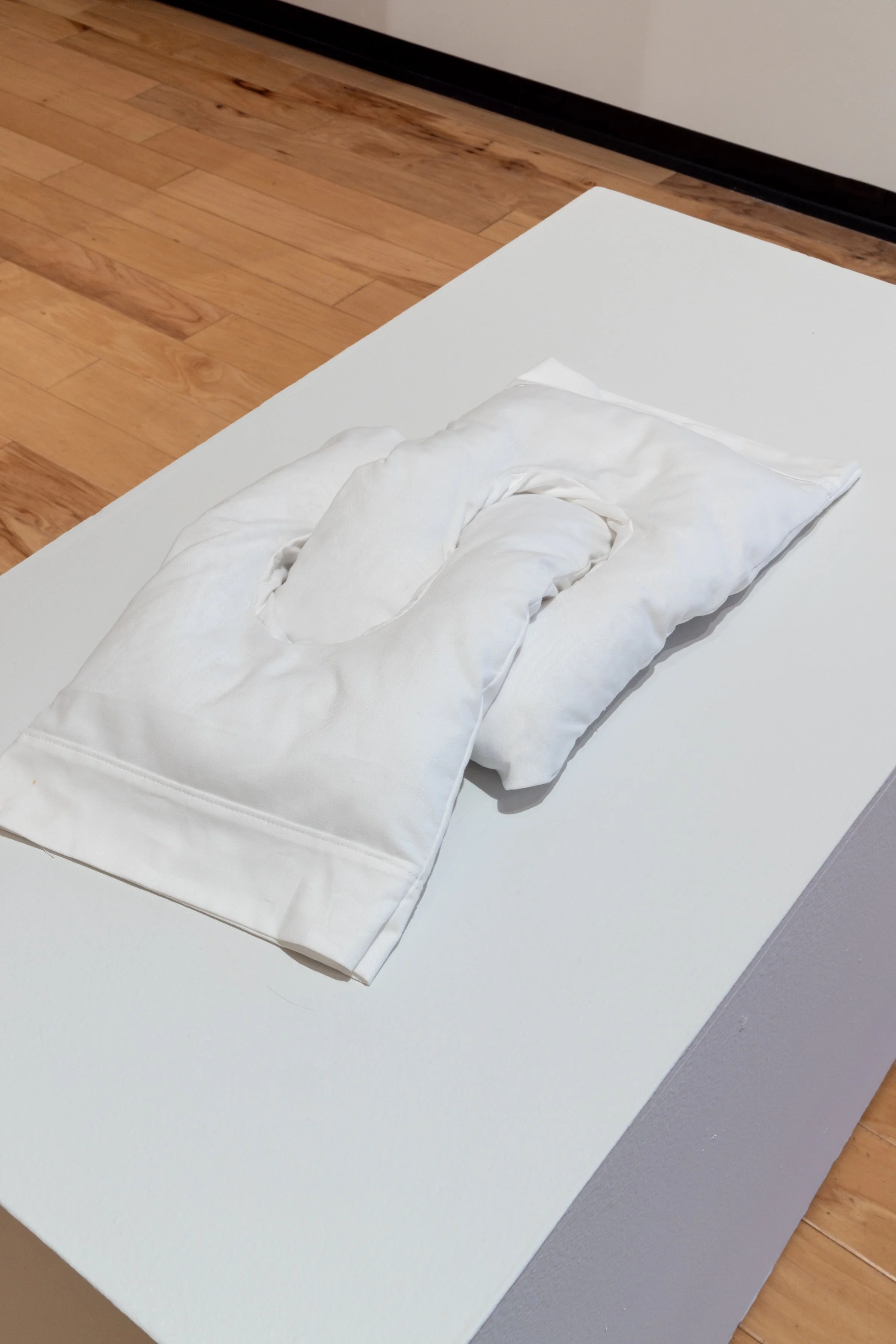
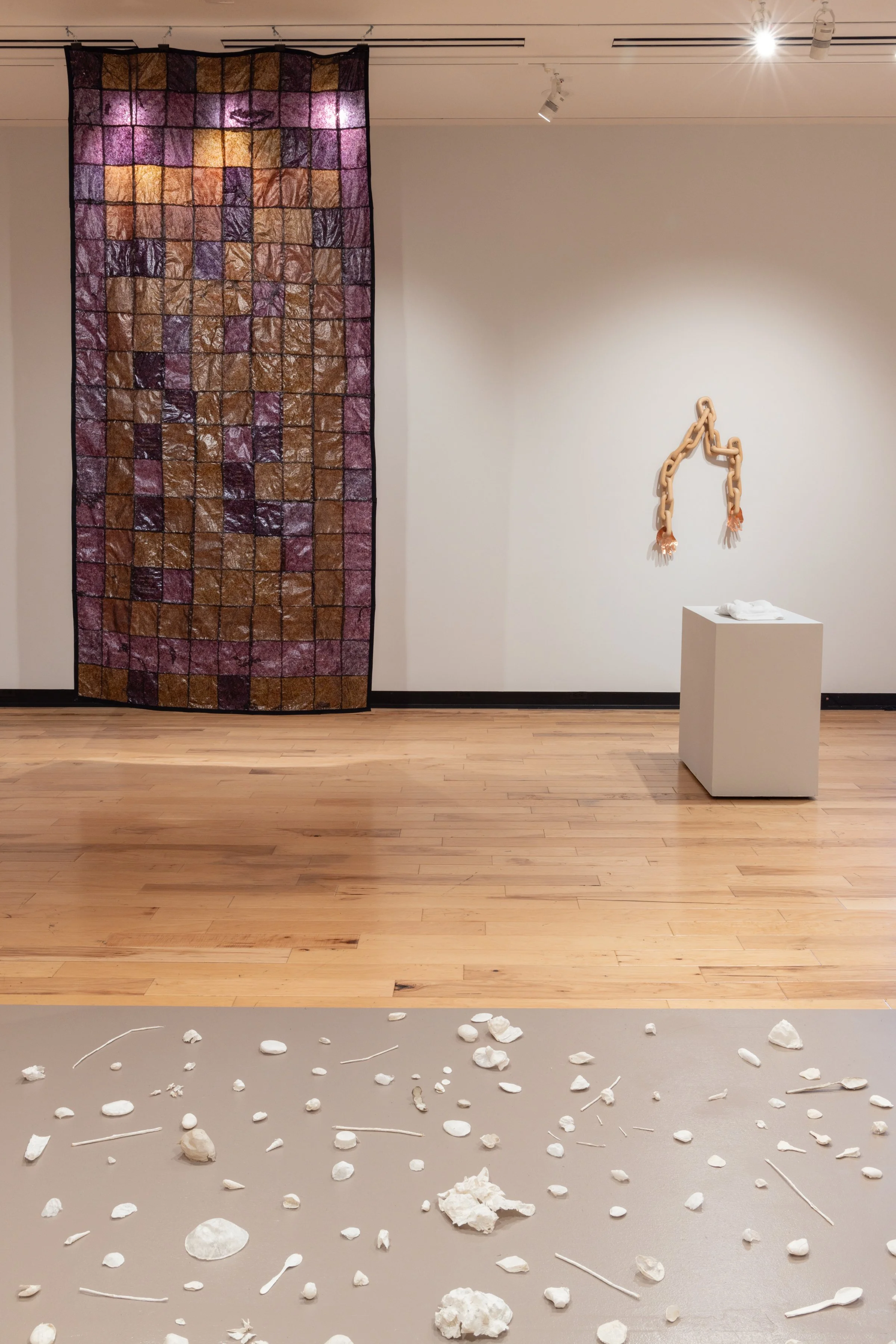
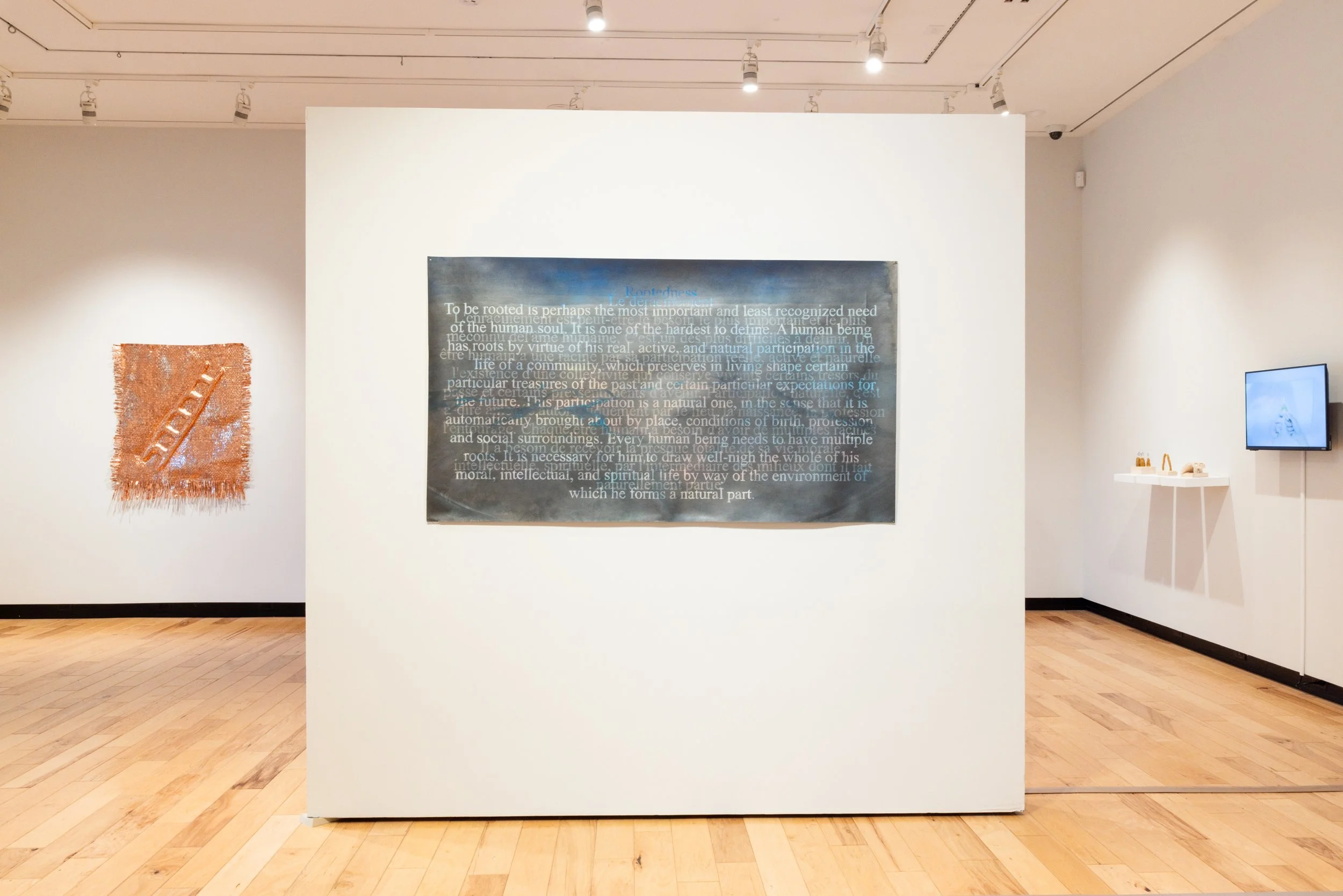
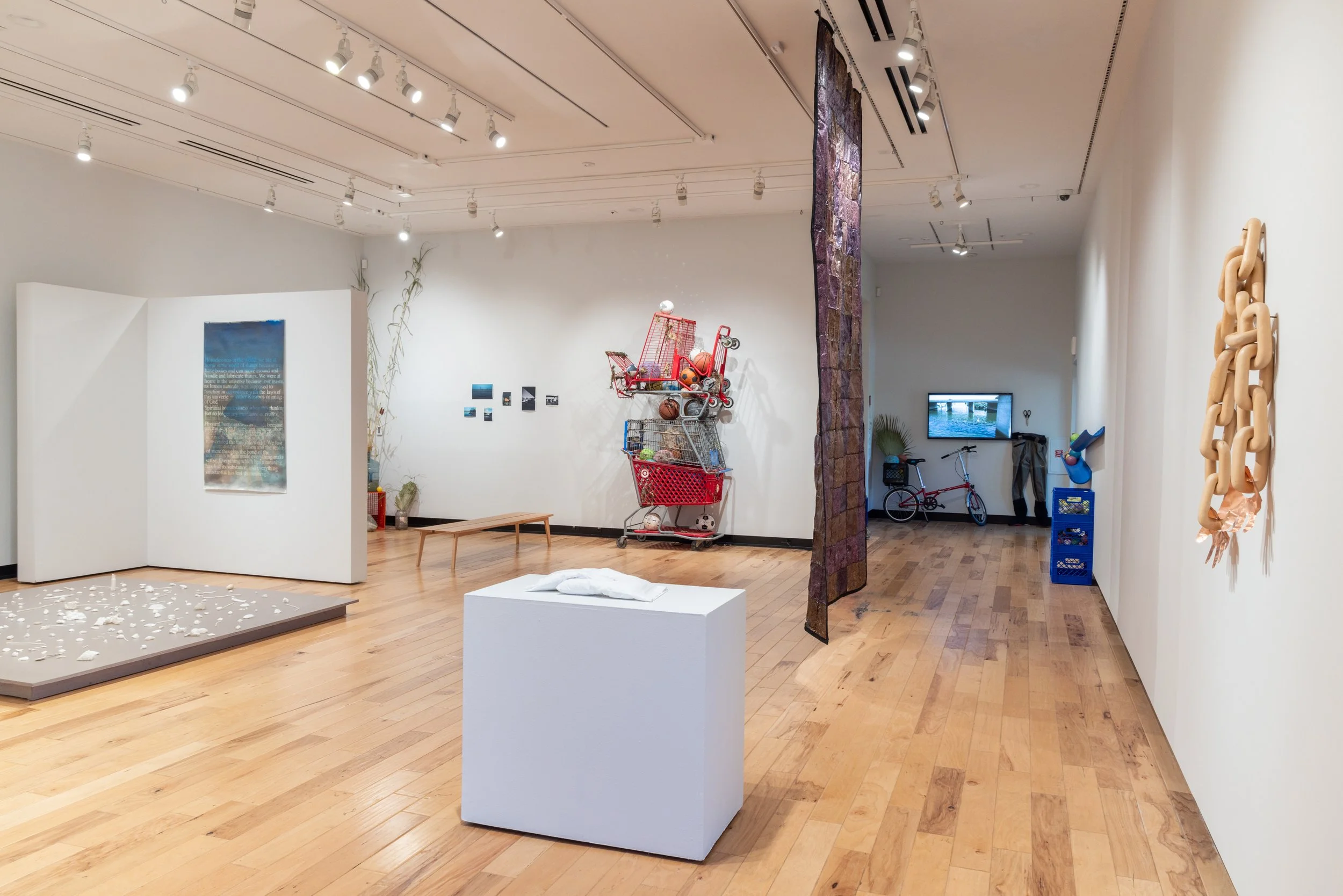
Cara Levine creates highly labor-intensive objects, using techniques like weaving, carving and linking to produce works whose materiality has been transformed by bodily actions. Images such as chain links, knots and ladders recur throughout her practice, symbols of joinings, mergings, support systems and passages. Her woven copper wall-hangings, titled Running and Returning, evoke the space of an absent object, preserving a record of form through a process of carefully interlocking material. In The Lock is the Key, a chain hand-carved from a single piece of wood is given human qualities through the addition of copper hands, outstretched in a gesture of openness. The intertwined pillows of Link, for FGT and All of Us create yet another moment of attentive tenderness and interdependency.
Liz Nurenberg’s practice involves making sculptures that require bodily interaction, often accompanied by films of their usage. In her recent body of work, Elements, the classical elements of earth, air, fire and water are translated into objects whose usage necessitates equilibrium. Everyday actions such as walking, breathing, drinking, and kindling fire become instances of collaboration. Performing with her family members, Nurenberg’s videos show the artist using these idiosyncratic tools in ways that require negotiation, intimacy and care.
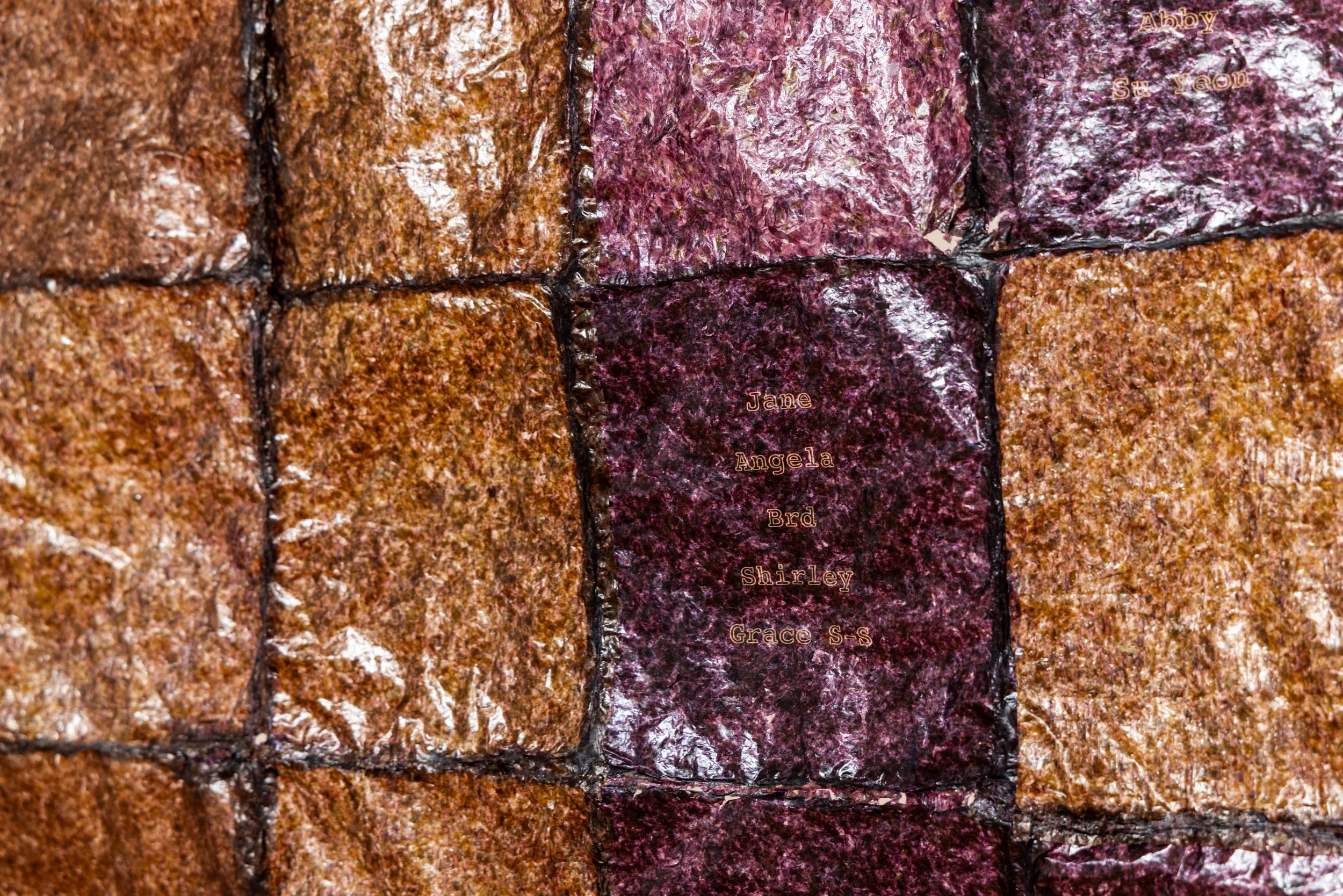
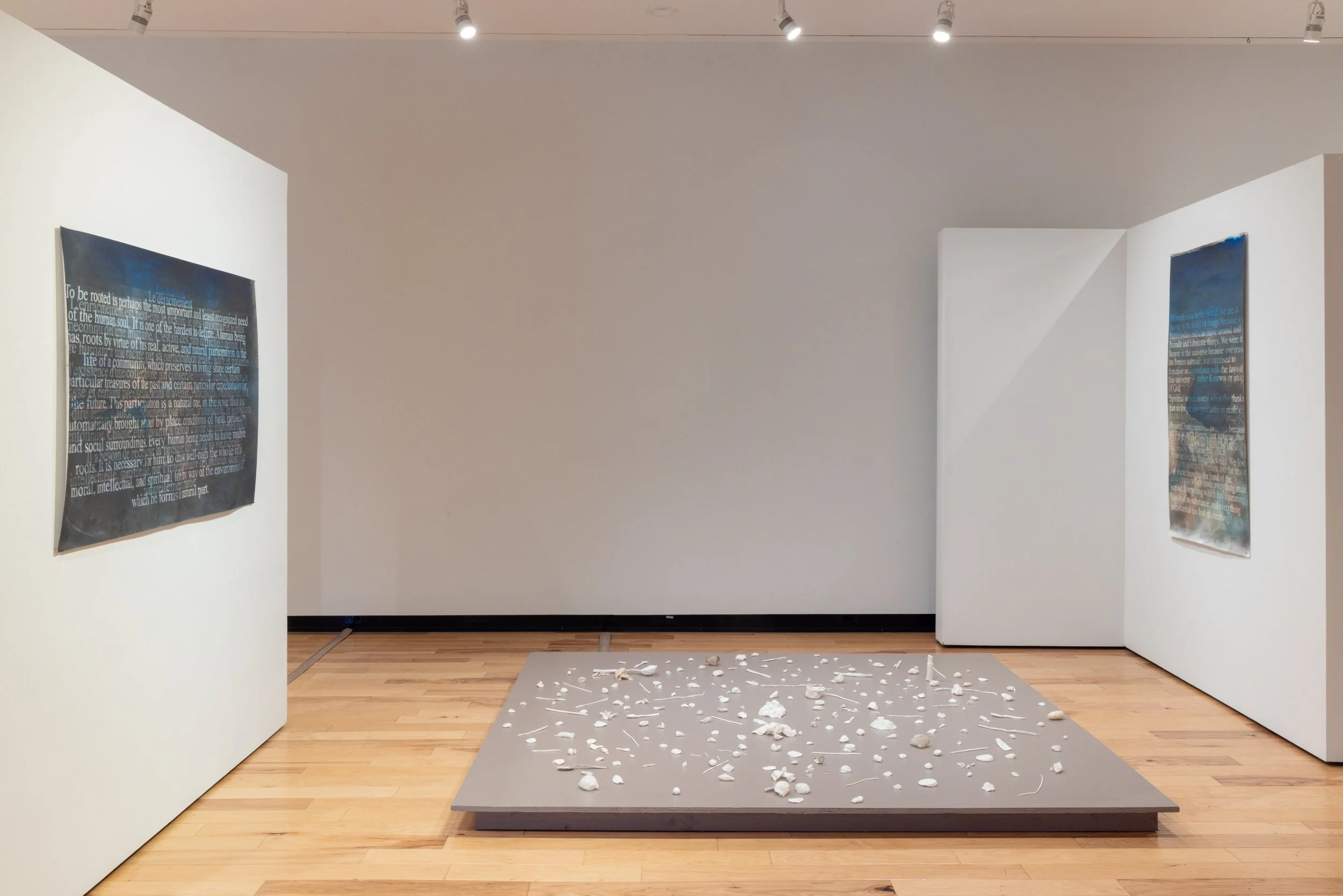
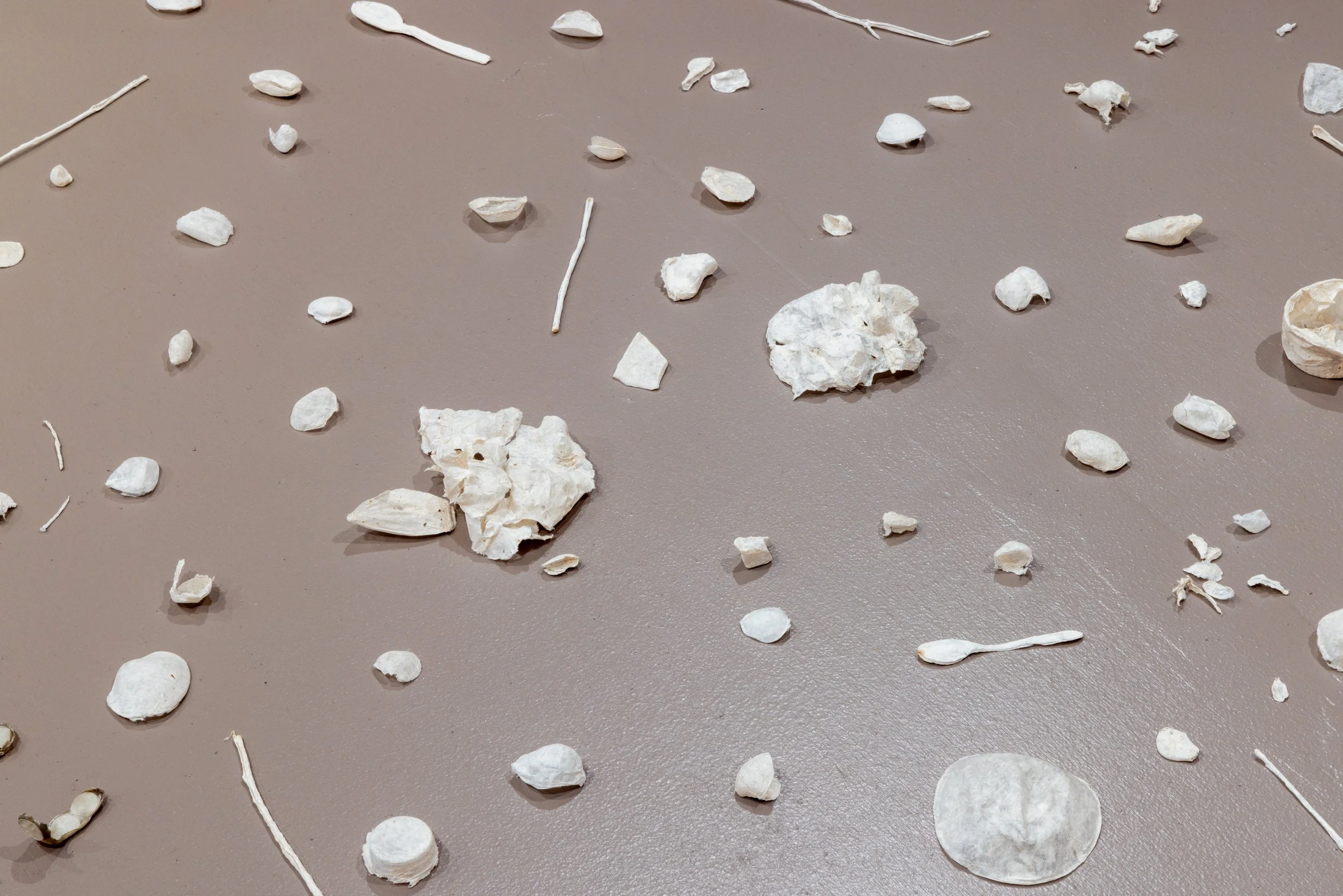
Hannah Kim Varamini’s sculptures and drawings model diverse forms of community, linking the personal to the familial, cultural and environmental in poignant, poetic ways informed by her choice of materials. Bojori (Mothered by) is a large tapestry made from gim (seaweed sheets), commonly used in Korean cuisine. The work’s structure is inspired by NAME, a textile traditionally made through women’s shared labor. Varamini has laser-etched onto seaweed panels the names of women in her life who have influenced and expanded her conception of mothering. Her drawings, merging text and imagery of an abstracted landscape, borrow quotes from Simone Weil and Hannah Arendt, providing a philosophical context for considerations of rootedness and home, considered in both physical and spiritual manifestations. Her installation Atoll (Idiorrythmic) evokes a space that is simultaneously natural and man-made. Using organic fibers, Varamini creates delicate forms cast from objects both domestic and biological. They are arranged in a spiraling form, as if found on a beach, each object distinct yet set in relation to one another. The objects are accompanied by the sound of snapping shrimp, an organism found in oceans in increasing quantities due to climate change – further emphasizing the interconnectedness of our lives on earth.
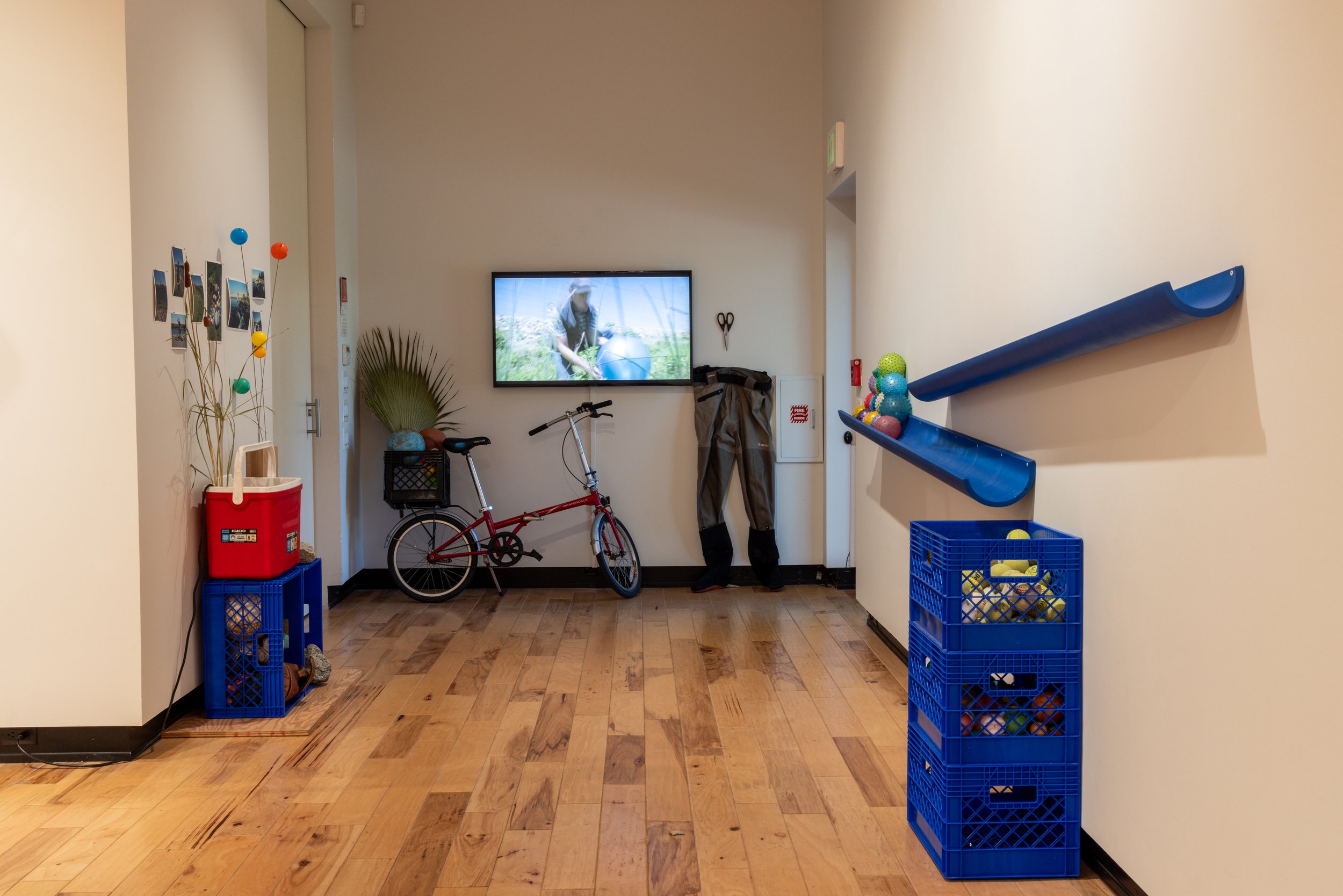
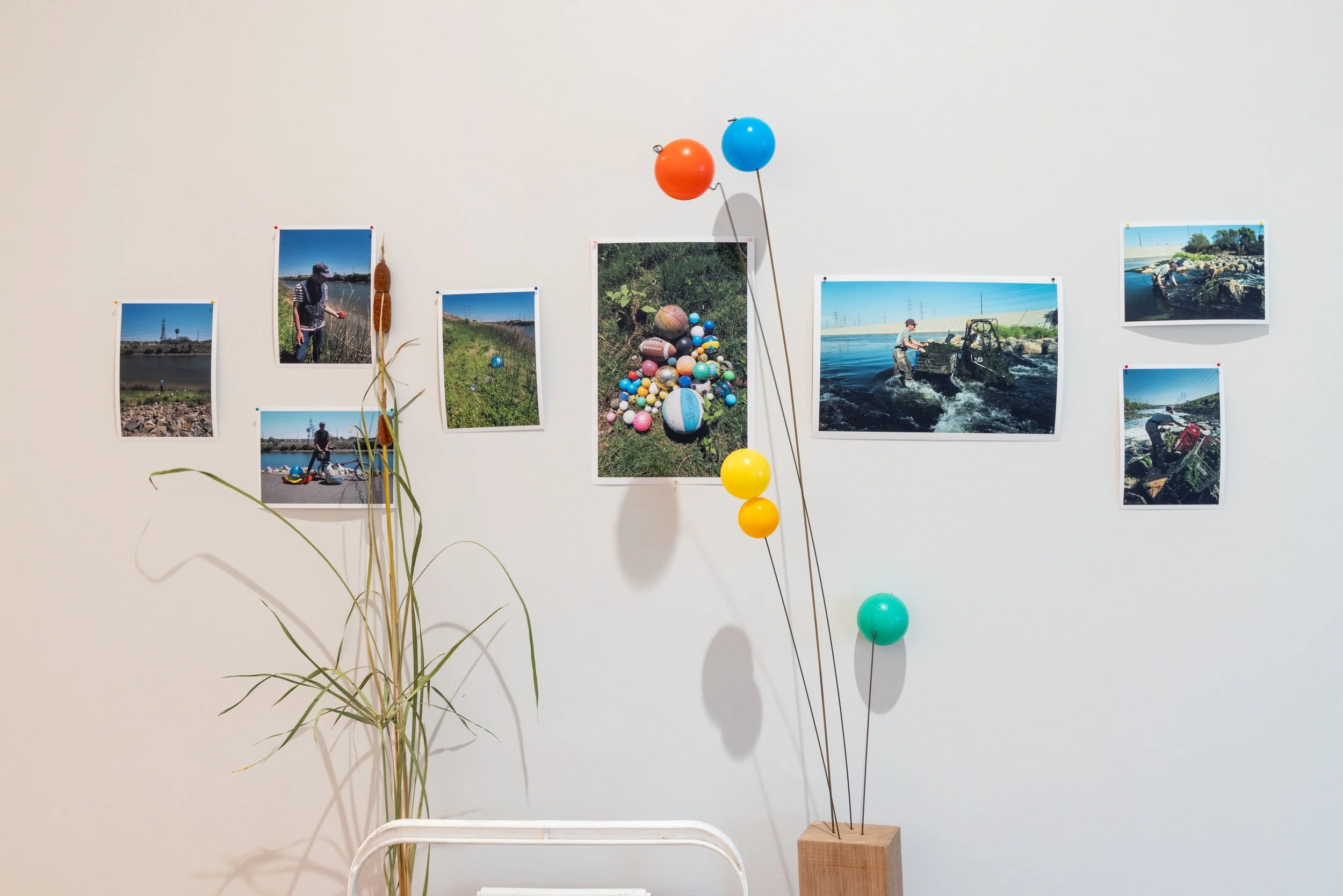
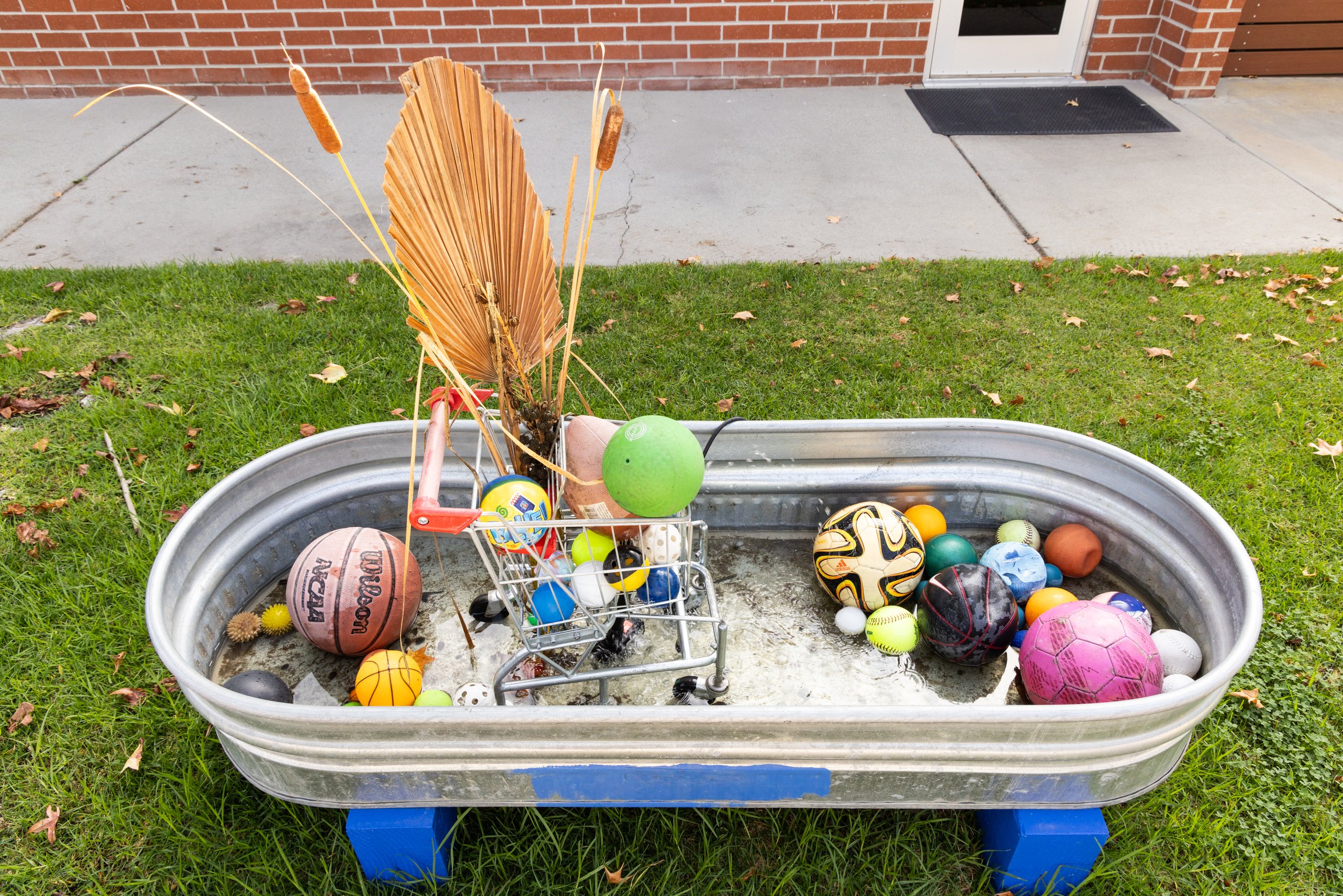
Finally, in their collaboration, Eric Trine and Vern Moen explore the environment around the San Gabriel River in Long Beach. The project originated as a daily ritual in Trine’s life when he began riding his bike along the river near his home, first observing and then collecting the objects that he found there, such as shopping carts and dozens of colorful balls. Trine invited Moen, a filmmaker, to join him in these daily explorations, capturing imagery of the space where urban and natural ecosystems meet. This installation brings together found objects and imagery collected from the site. Their arrangement in the gallery evokes the sense of curiosity, attentiveness and play that characterizes their initial explorations along the river, while revealing the complex relationships of urban communities and the landscape.
- Astri Swendsrud, curator